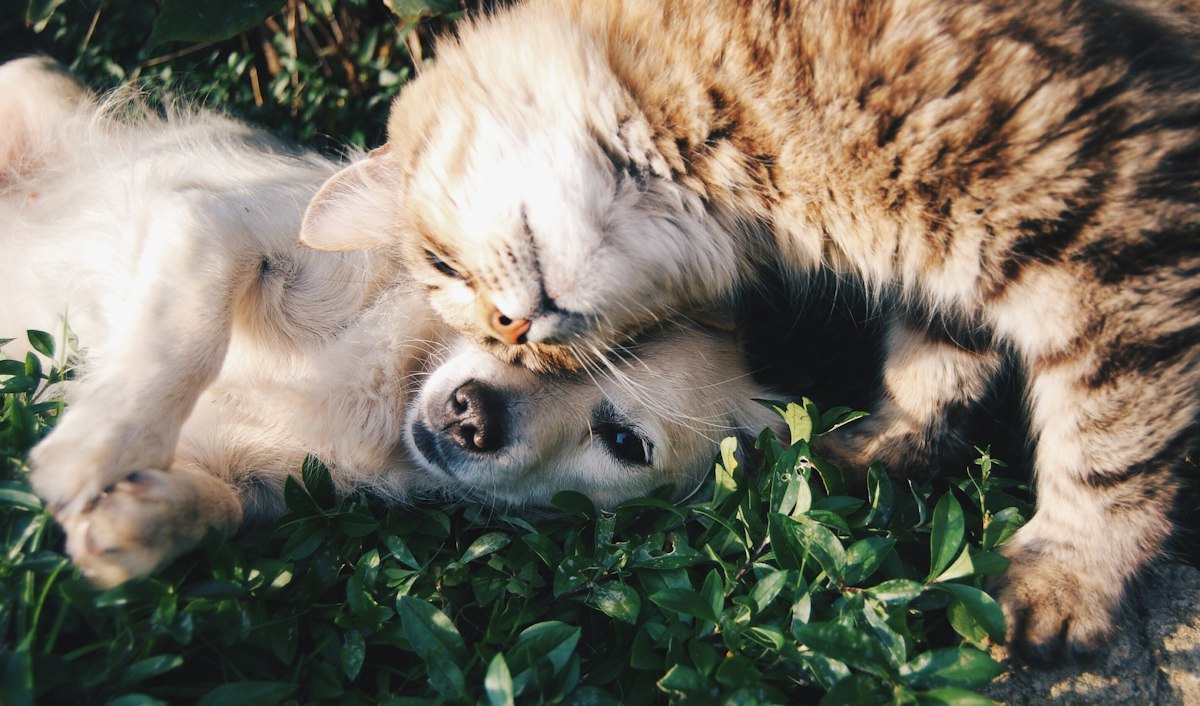
If you share your home with a pet, you share it with fur. Shedding is normal and healthy — it's how your pet replaces old, damaged hair with new growth. But the amount, timing, and how to manage it depend on the breed, coat type, and season.
Understanding the cycle helps you stay ahead of it instead of reacting to fur-covered furniture.
Why pets shed
Hair grows in cycles: a growth phase, a resting phase, and a shedding phase. Shedding removes hair that's done its job. It's influenced by:
- Daylight hours (the biggest seasonal trigger)
- Temperature
- Hormones (intact animals shed differently)
- Nutrition and health (poor diet or illness increases shedding)
Seasonal vs. continuous shedding
Double-coated breeds (Golden Retrievers, Huskies, German Shepherds, cats like Maine Coons) shed heavily twice a year — spring and fall — as they swap between winter and summer coats. This "coat blow" can last weeks and produces startling amounts of fur.
Single-coated breeds (Poodles, Bichons) and many short-haired dogs shed more continuously and evenly through the year, in smaller amounts.
Indoor pets, exposed to constant artificial light and stable temperatures, may shed more evenly year-round — but still show seasonal peaks.
When shedding is a warning sign
Normal shedding is even and gradual. See your vet if you notice:
- Sudden, patchy hair loss
- Shedding accompanied by redness, scratching, or odor
- Bald spots
- A dull, dry, or brittle coat
These can signal allergies, parasites, hormonal imbalances, or nutritional deficiencies — not just normal shedding.
Managing the shed
You can't stop shedding, but you can dramatically reduce the fur that reaches your floors and clothes:
- Brush more during coat blows. Daily brushing during spring and fall removes loose hair before it falls. A slicker brush lifts the loose undercoat efficiently.
- Use the right de-shedding tool. For heavy shedders, a tool that reaches the undercoat pulls out fur a regular brush misses.
- Bathe strategically. A bath during peak shedding, followed by thorough brushing, releases a large amount of coat at once — in a controlled place, not your living room.
- Feed for coat health. Omega-3 and omega-6 fatty acids support a healthy coat and can reduce excessive shedding. A balanced diet is the foundation.
- For heavy shedders needing a trim, a quiet grooming clipper reduces volume and makes maintenance easier between professional grooms.
The 80/20 of shedding
Most shedding management comes down to one habit: brush during the coat blow. A few minutes daily during spring and fall captures the majority of loose fur before it spreads. The rest of the year, a lighter weekly routine keeps things manageable.
Shedding is a sign of a healthy, renewing coat — not a problem to fix. With the right routine, it becomes a minor backdrop to life with your pet, not a constant battle.