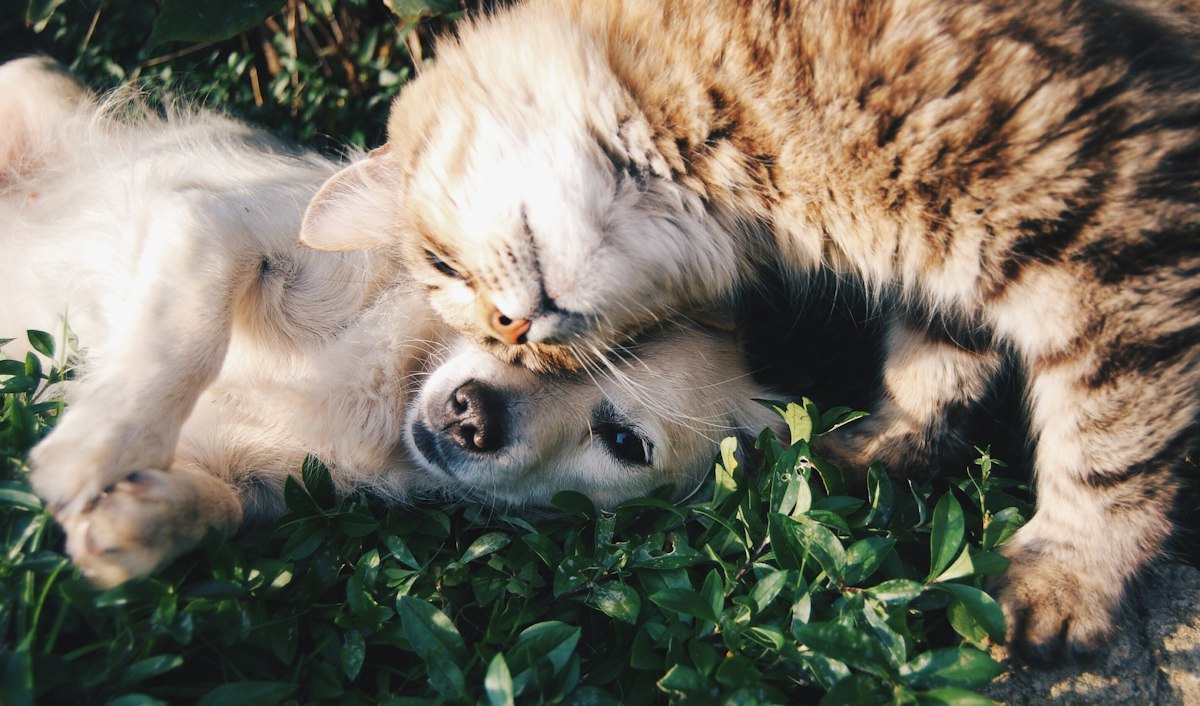
Overgrown nails are more than a cosmetic issue. They force your pet to shift weight off their toes, altering posture and stressing joints. Left too long, nails can curve into the paw pad, cause infection, and split painfully. Yet nail trimming is the grooming task pet parents dread most.
It doesn't have to be stressful. With the right approach and tools, it becomes a quick, routine part of care.
Why nail length matters
When a dog or cat stands, the nails should not touch the ground. If you hear clicking on hard floors, they're too long. Long nails:
- Change how the paw lands, stressing the wrist and shoulder joints
- Reduce traction and increase slipping
- Can split, tear, or grow into the pad
- Make walking painful, especially on older pets
Clippers vs. grinders
Two main tools, each with trade-offs:
- Guillotine or scissor clippers: fast and inexpensive, but it's easy to cut the quick (the blood vessel inside the nail), which bleeds and hurts.
- Nail grinders: file the nail down gradually, making it nearly impossible to hurt the quick. Slower, but far safer and smoother — ideal for nervous pets and beginners. A pet nail grinder with LED light illuminates the quick so you can see exactly where to stop.
Many pet parents use both: clip the bulk, then smooth with a grinder.
How often?
A good rule: trim every 2–4 weeks. If you hear clicking on the floor, it's time. Trimming regularly also causes the quick to recede, so future trims get easier and you can take more off safely.
A step-by-step stress-free trim
- Tire them out first. A short walk or play session lowers anxiety.
- Get them used to the tool. Let them sniff it; turn it on near their paws without trimming. Treat generously.
- Handle the paws gently between sessions so paw-touching isn't only associated with clipping.
- Trim the tip at a 45° angle, a little at a time. With a grinder, use brief 3–5 second passes to avoid heat buildup.
- Stop at the quick. On light nails you'll see a pink area — stay 2 mm clear. On dark nails, look for the chalky ring that appears as you approach the quick.
- Reward immediately after each paw. End on a positive note.
If you nick the quick
It happens. Stay calm, apply styptic powder (or cornstarch), and apply gentle pressure. Most bleeding stops in a minute. Don't make a fuss — your reaction shapes theirs.
When to see a pro
If your pet is highly anxious, has black nails you can't read, or you're simply uncomfortable, a groomer or vet tech can trim nails in minutes. There's no shame in delegating — the goal is healthy nails, not doing it all yourself.