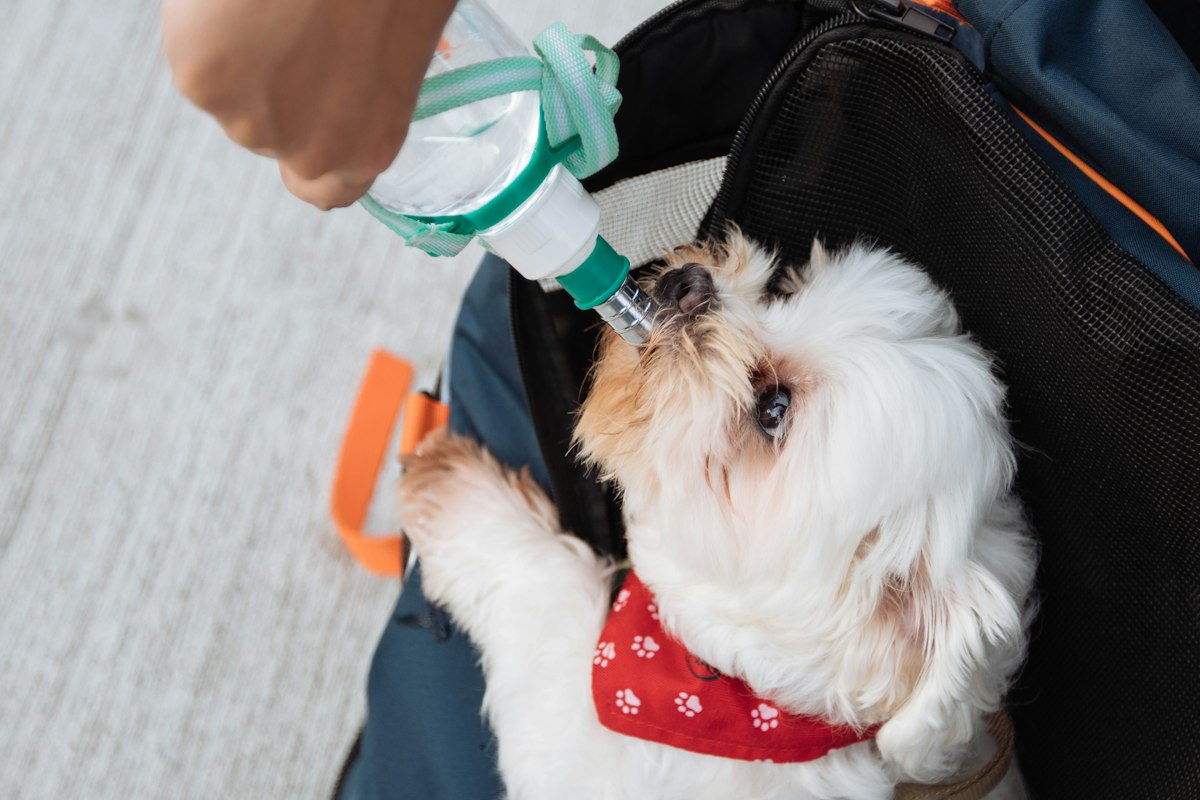
Dehydration is one of the most overlooked health risks for pets. Cats, descended from desert-dwelling ancestors, have a famously weak thirst drive — they simply don't drink enough from a still bowl. Dogs drink more readily, but many still fall short, especially in warm weather or as they age.
A circulating water fountain changes the equation. Here's why it matters and what to look for.
The hydration problem
In the wild, a cat gets most of its water from prey. Domestic cats eating dry kibble take in far less moisture, and their bodies don't always compensate by drinking more. Chronic low-grade dehydration stresses the kidneys and urinary tract — a leading cause of illness in older cats.
Dogs are more obvious drinkers, but they too can under-drink when water is stale, warm, or sits next to food. A bowl that's been sitting for a day collects dust, hair, and saliva — not exactly appealing.
Why moving water works
Running water triggers a natural drinking response. In nature, still water is more likely to be contaminated; moving water is fresher. A fountain taps into that instinct:
- Cats are drawn to the sound and movement and drink more frequently.
- Dogs drink more in a single, longer session.
- Filtered circulation keeps water cooler and removes fur and food particles.
Veterinary guidance consistently links increased water intake to lower rates of urinary crystals, stones, and chronic kidney disease — especially in cats.
Choosing the right fountain
Not all fountains are equal. Look for:
- Material: Stainless steel or ceramic is hygienic and easy to clean. Plastic can scratch and harbor bacteria. A stainless steel pet water fountain is the gold standard for cats and small dogs.
- Filtration: A carbon + pre-filter combo removes hair and odors.
- Capacity: 2–3 liters suits a single cat; larger households need more.
- Noise: A quiet pump matters — pets (and you) won't use a loud fountain.
- Ease of cleaning: Dishwasher-safe parts make weekly cleaning realistic.
How much water does your pet need?
A rough guideline: 1 ounce of water per pound of body weight per day. A 10 lb cat needs about 10 oz; a 40 lb dog needs about 40 oz. This rises with heat, exercise, and dry-food diets. Watch for these dehydration signs:
- Sticky or pale gums
- Sunken eyes
- Lethargy
- Skin that doesn't snap back when gently pulled
A simple upgrade with outsized benefits
A water fountain is one of the highest-value, lowest-effort changes you can make to your pet's daily routine. Better hydration means a healthier urinary tract, kidneys, and skin — and a pet that visibly drinks more. If you're feeding primarily dry food, it's close to essential.
