Dogs don't feel cold the way we do — but they do feel it. Short-haired breeds, small dogs, puppies, and seniors are especially vulnerable. Winter brings a specific set of risks: hypothermia, cracked paw pads, and antifreeze poisoning among them.
A few adjustments to your routine keep your dog safe and comfortable until spring.
Which dogs need extra protection?
Not every dog needs a coat. Breeds built for cold — Huskies, Malamutes, Bernese Mountain Dogs — are fine in most winter weather. But these dogs benefit from extra warmth:
- Short-haired and thin-coated breeds (Greyhounds, Chihuahuas, French Bulldogs)
- Small dogs (they lose heat faster relative to body mass)
- Puppies and seniors (poor temperature regulation)
- Dogs with health conditions like arthritis or a thinning coat
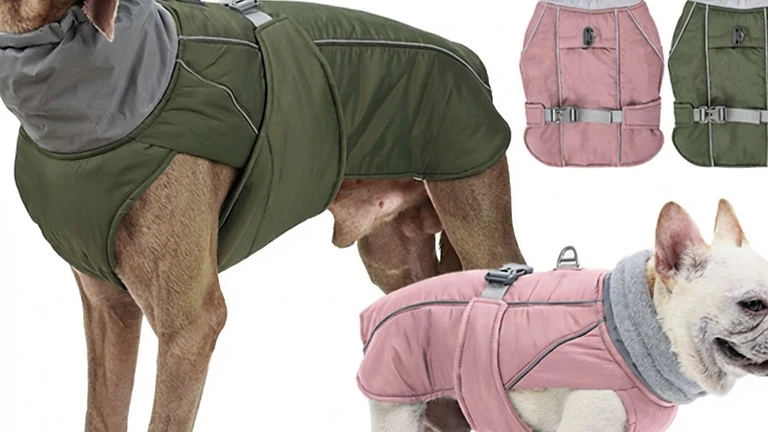
For these dogs, a well-fitted insulated dog coat is not a fashion statement — it's functional protection. Look for coverage of the chest and belly, a snug but not tight fit, and a waterproof outer layer.
Protect the paws
Paws take the brunt of winter. Three hazards:
- Ice and snow pack between toes, causing painful ice balls.
- Road salt irritates and dries pads, and is toxic if licked off.
- Antifreeze is sweet-tasting and lethal in tiny amounts.
After every walk, wipe paws with a warm, damp cloth. Check between the toes for ice. Consider dog booties for deep snow or salted sidewalks. If your dog won't wear booties, a paw balm protects pads from cracking.
Adjust walks
- Shorten walks in extreme cold; multiple short outings beat one long one.
- Watch for shivering, lifting paws, or trying to turn home — clear signs your dog is cold.
- Avoid frozen lakes and deep snowdrifts.
- Keep your dog on leash near roads; winter reduces scent-tracking and increases the chance of getting lost.
Indoor comfort
Indoor heating dries out skin and coat. Brush more often to distribute natural oils, and consider a humidifier. A calming, supportive dog bed keeps your dog off cold floors and supports aging joints that stiffen in the cold.
Winter feeding
Dogs burn more calories staying warm outdoors. If your dog spends significant time outside, a modest increase in food may be warranted. For most indoor dogs, activity drops in winter — watch the scale and adjust down if needed to prevent winter weight gain.
Know the warning signs
Get your dog inside and warm — and call a vet — if you notice:
- Intense shivering
- Lethargy or disorientation
- Pale or blue gums
- Stiff, slow movement
These can signal hypothermia and need prompt attention.
The bottom line
Winter doesn't have to limit your dog's life. With the right coat, paw care, and adjusted walks, your dog can stay active, comfortable, and safe through the coldest months.